where students turn their ideas into prototypes, business models, and startup-ready concepts.
Application Deadline October 2026
where students turn their ideas into prototypes, business models, and startup-ready concepts.
Application Deadline October 2026
the student innovation lab is a cutting‑edge program at Karlsruhe Institute of Technology (KIT) designed to integrate practical entrepreneurship experience into your curriculum. designated labs let you build, test, and prototype your high‑tech product while learning the entrepreneurial skills required to turn your idea into a scalable business.
winter term
explore problems, validate ideas & define start-up concept
summer term
prototype solutions, test with users, develop business model
innovation labs
join one of the 5 tech-labs and gain access to expert support
your courses
join the entrepreneurship lecture series, agile work lectures, and in-depth entrepreneurship seminars
mid-term pitch
final pitch
every team works with dedicated lab, where they get access to technologies and expert support.
check out the labs:
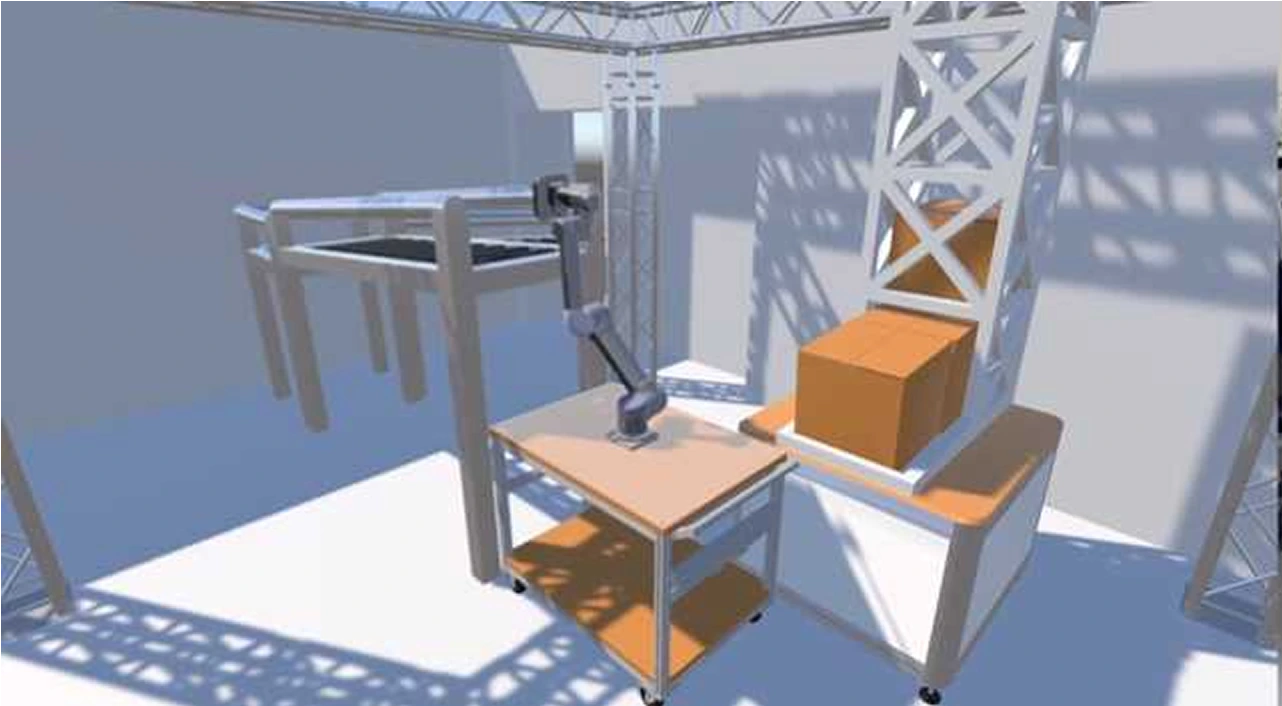
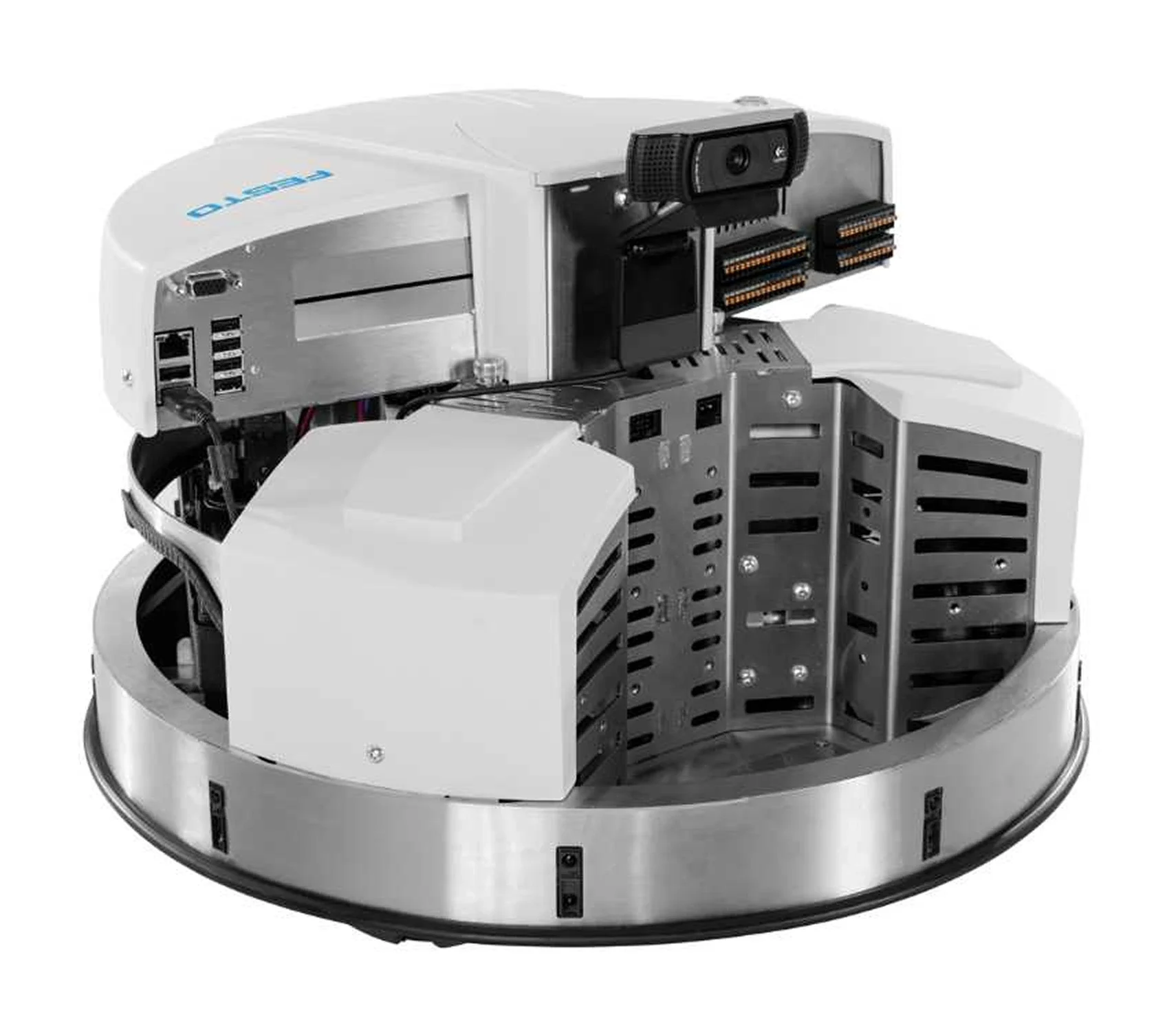
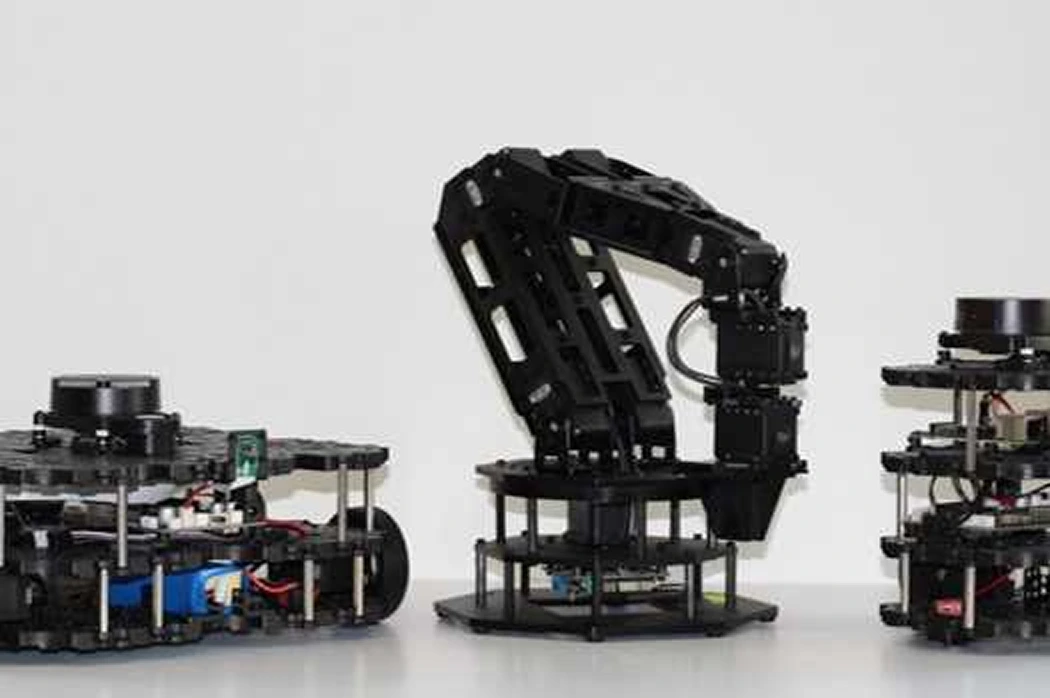
From digital twin engineering to multi-agent robotics, innovate in the world of automation technology. The AIL offers its students the opportunity to explore their entrepreneurial side using both real and simulated technologies. Work with industrial robots and create digital twins, find automated solutions for present problems and revolutionize the world of automation.


Lab expertise: Expertise in automation technology, digital twin engineering, multi-agent robotics, industrial robots, and simulation-based development. Students can explore real and virtual automation systems, develop entrepreneurial ideas, and design automated solutions for current industrial and technological challenges.
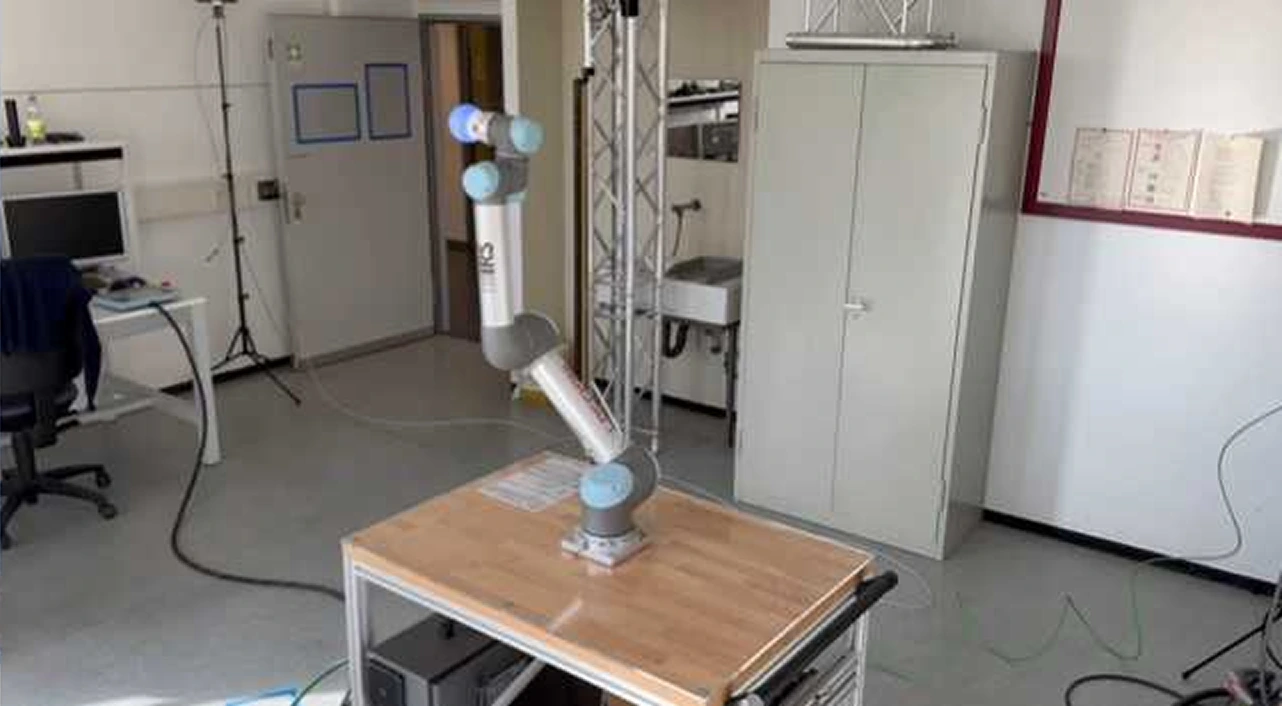
Provided Infrastructure: We have a couple of robotic arms (Universal Robots) and a work station available plus a simulation environment for the robots (ROS and Unity), which are set up for the SIL specifically. Additionally we can offer the use of VR Lenses.
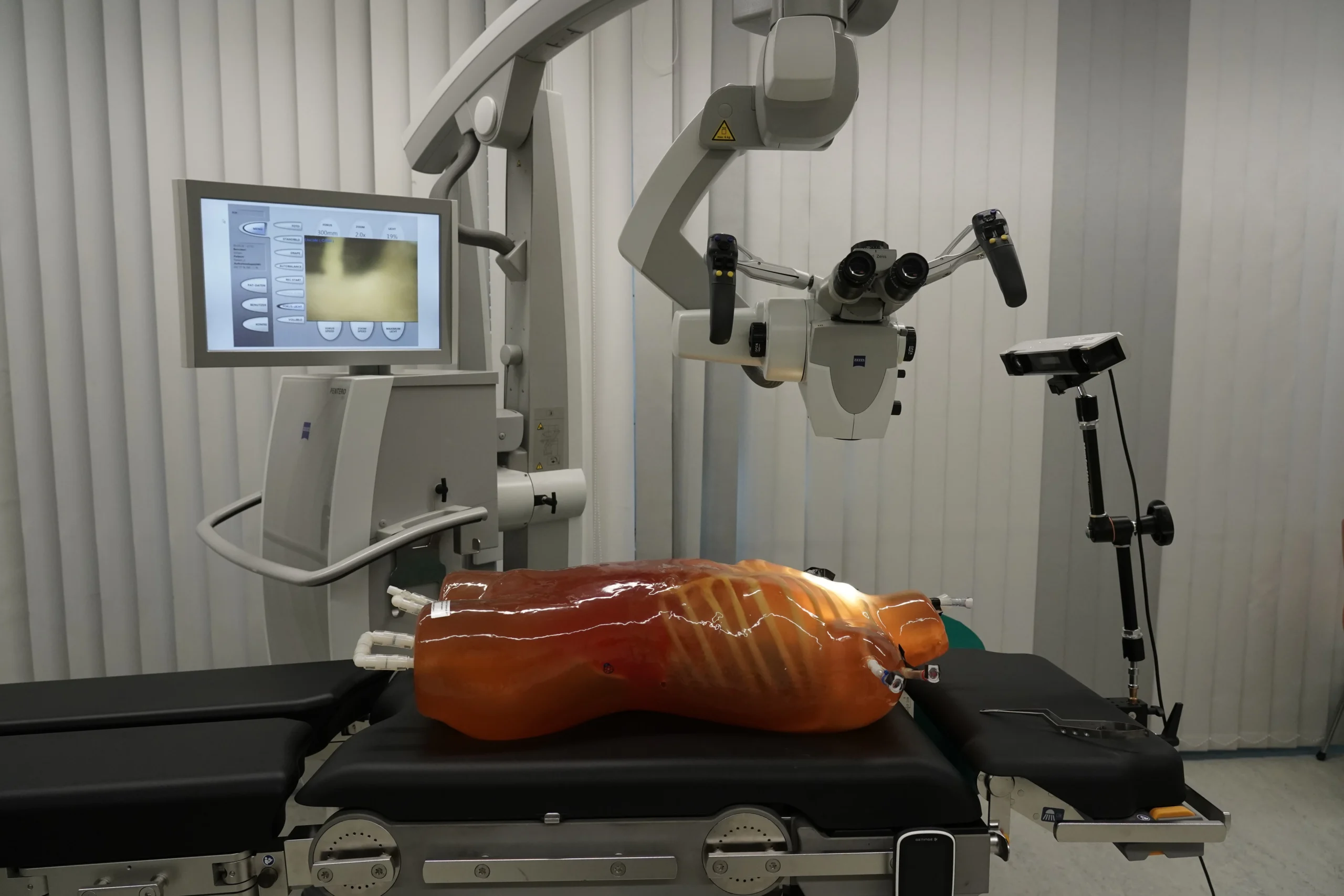
The lab serves as a facility for research and workshops focused on digitization and global production.


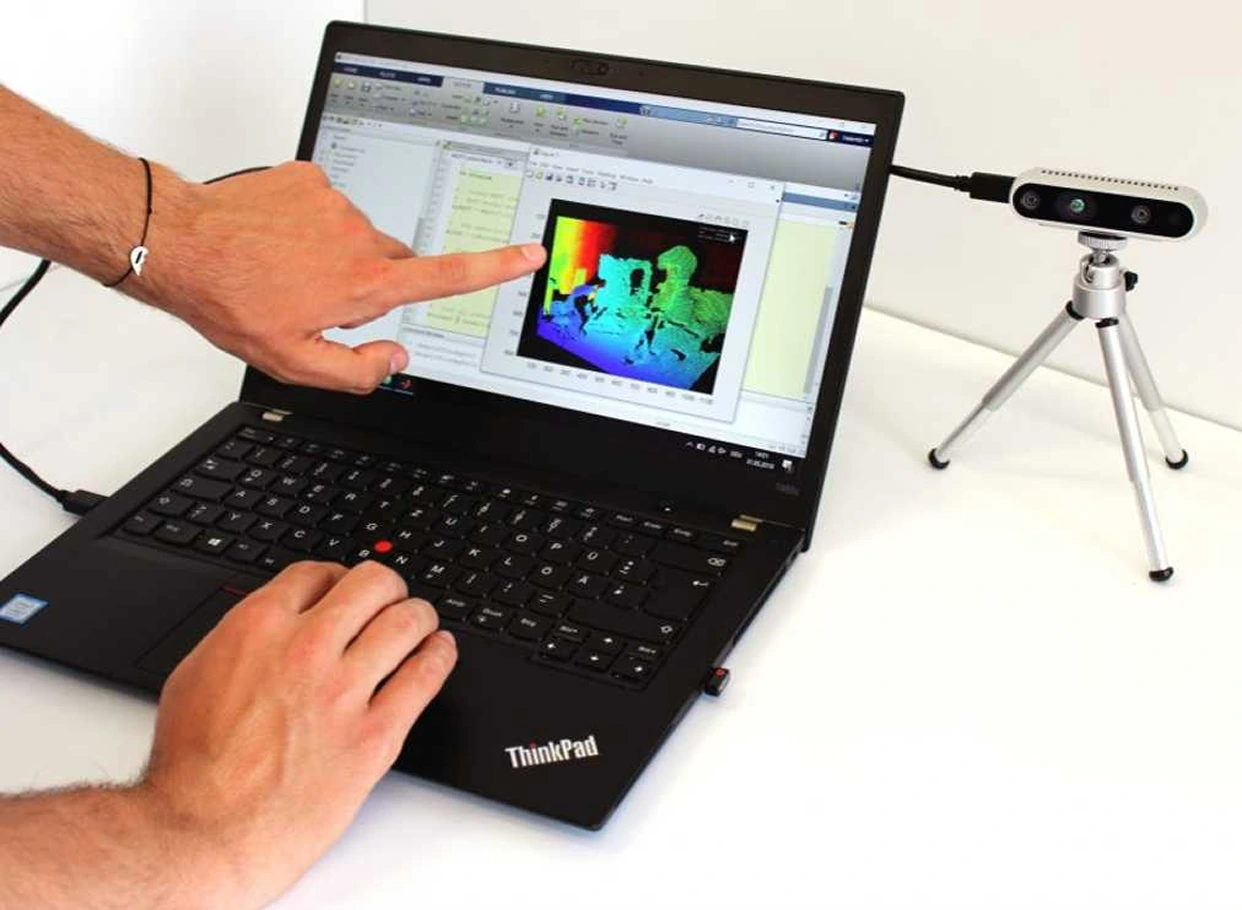
Lab expertise: Expertise in RF engineering, electronics, radar systems, radio wave propagation, channel modeling, antenna beam forming, and high-speed communication systems. Students gain practical insight into automotive and industrial wireless technologies, microwave transceiver testing, and 5G-based communication experiments.
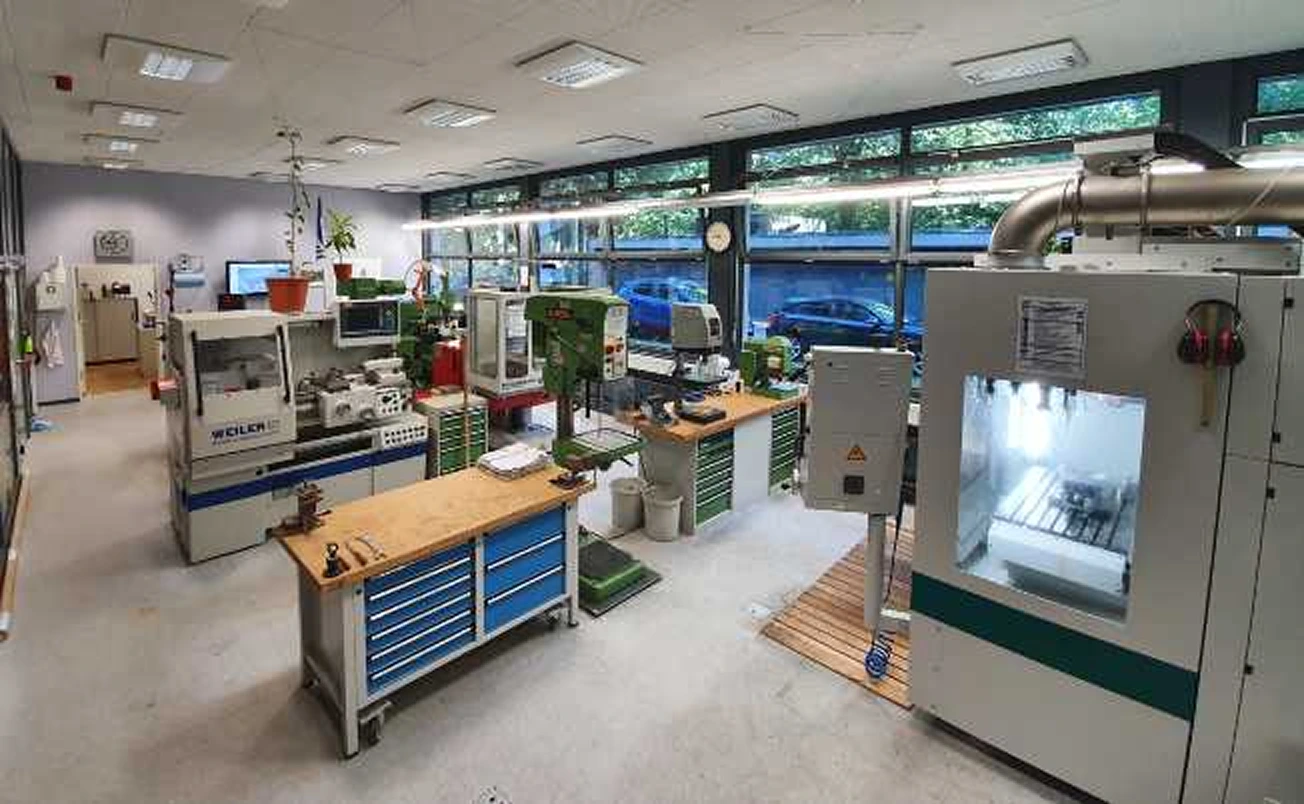
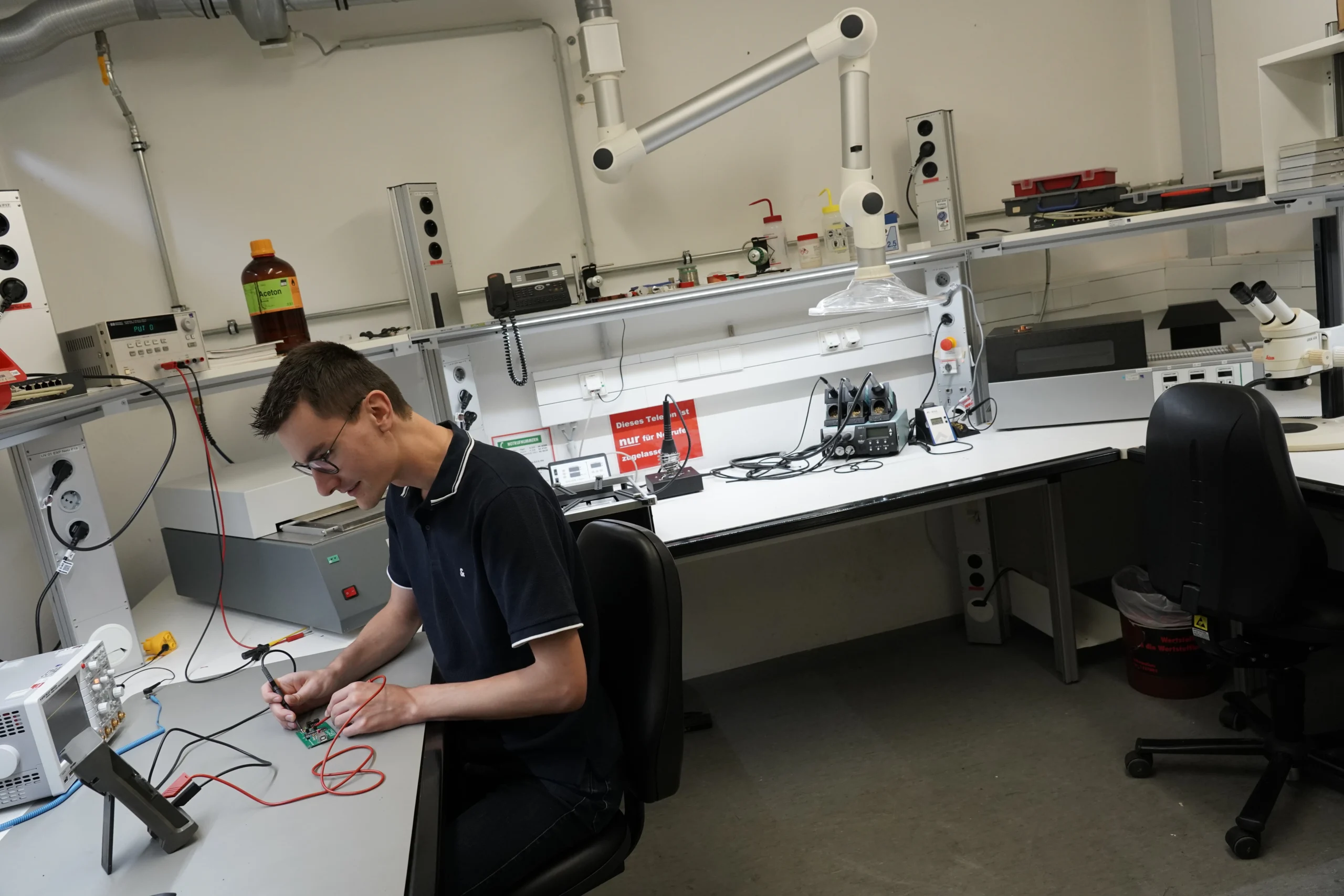
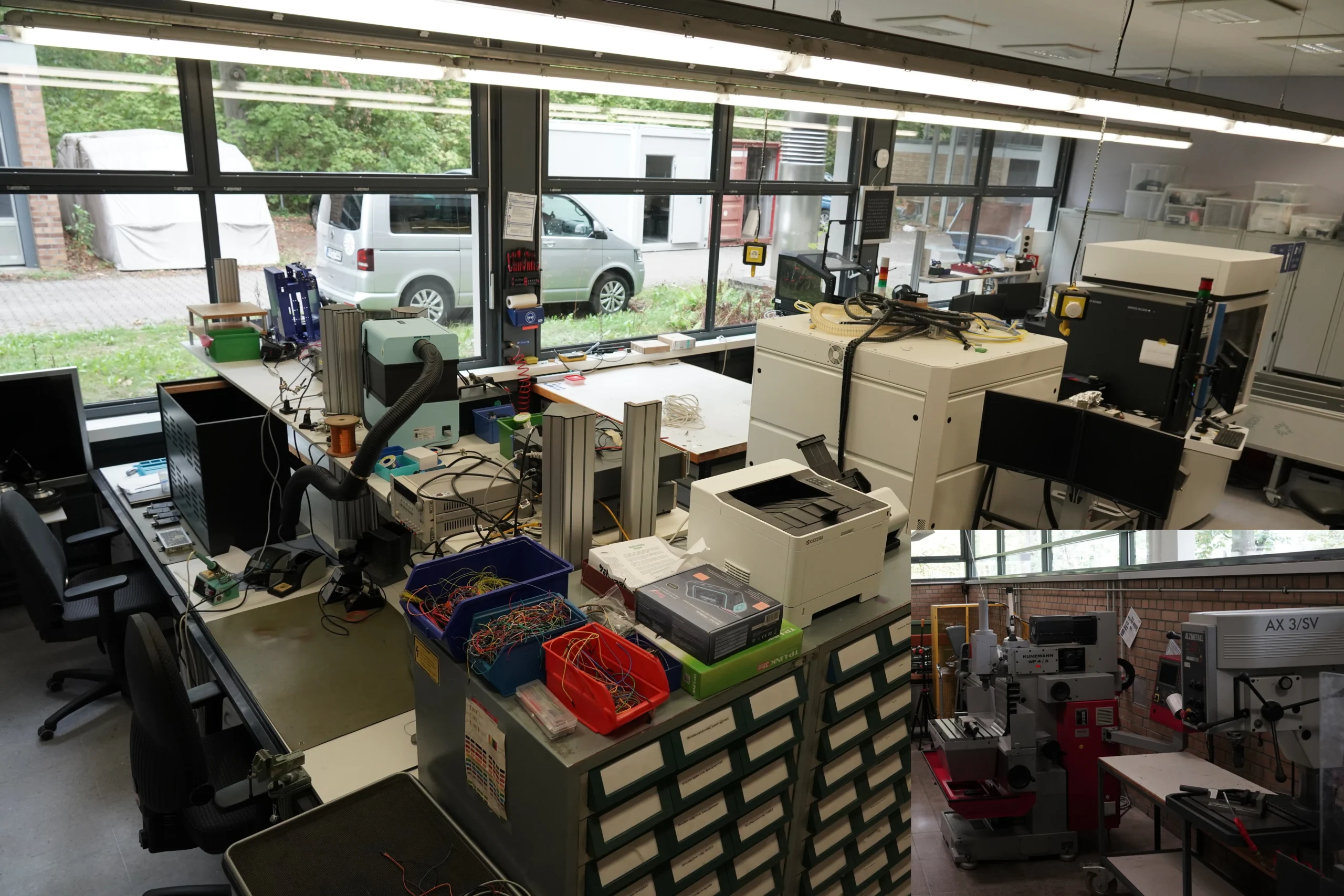
Provided Infrastructure: Robotics platforms, embedded devices, sensors, cameras, laser scanners, microcontrollers, single-board computers, communication equipment, RF/5G testing tools, lab measurement devices, and workshop equipment
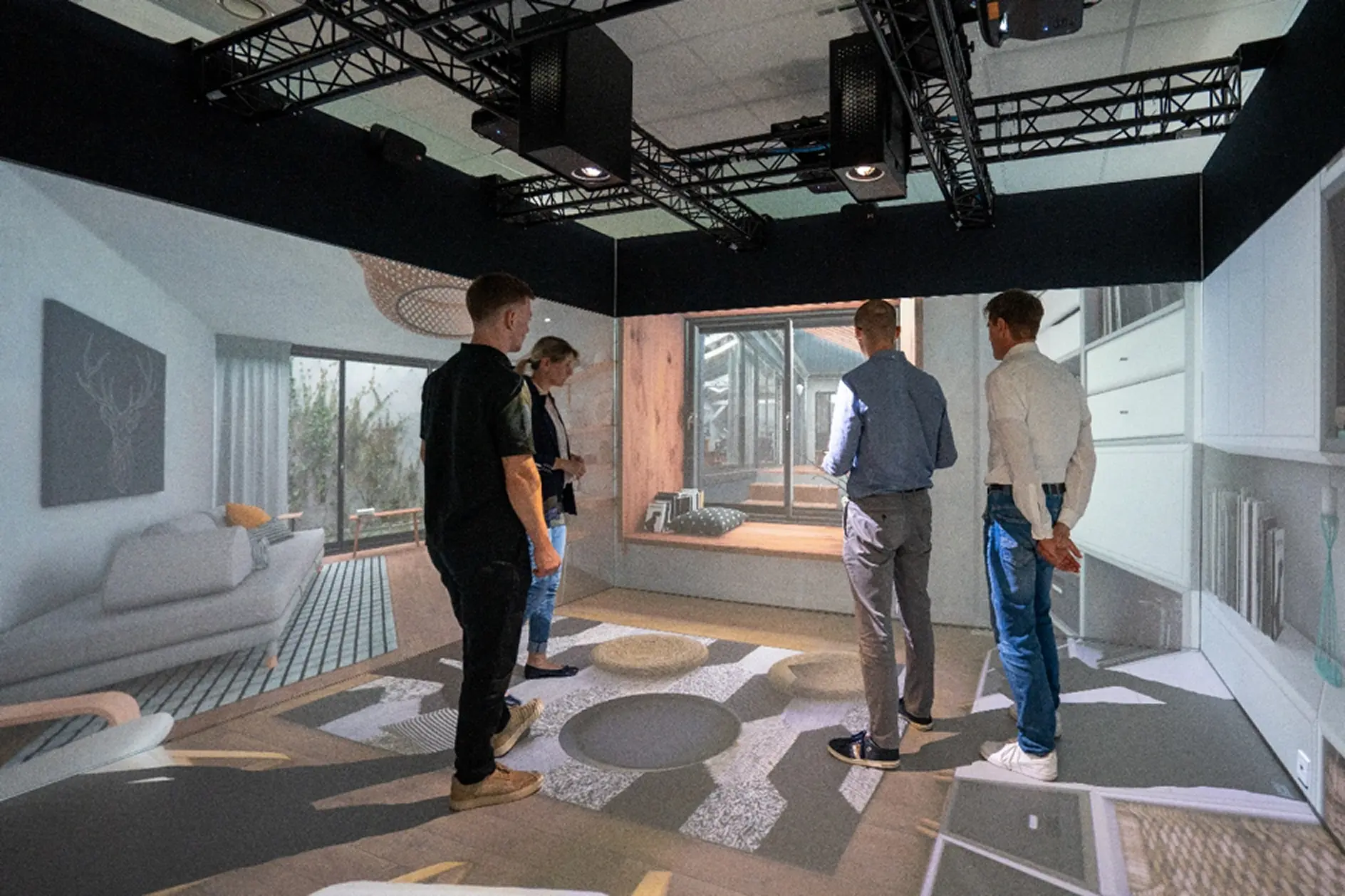
The Interconnected Intelligent Systems Lab explores intelligent robotics and AI to create better ways of living, working, and caring. We focus on innovations from intelligent care systems to immersive smart housing for impactful real-world applications.


Lab expertise: The lab integrates expertise in robotics, AI, and interconnected smart systems for human-centered environments. With state-of-the-art technologies and hands-on resources, you can design and implement practical systems such as intelligent care solutions, smart home automation, digital health and AI-based industrial applications.
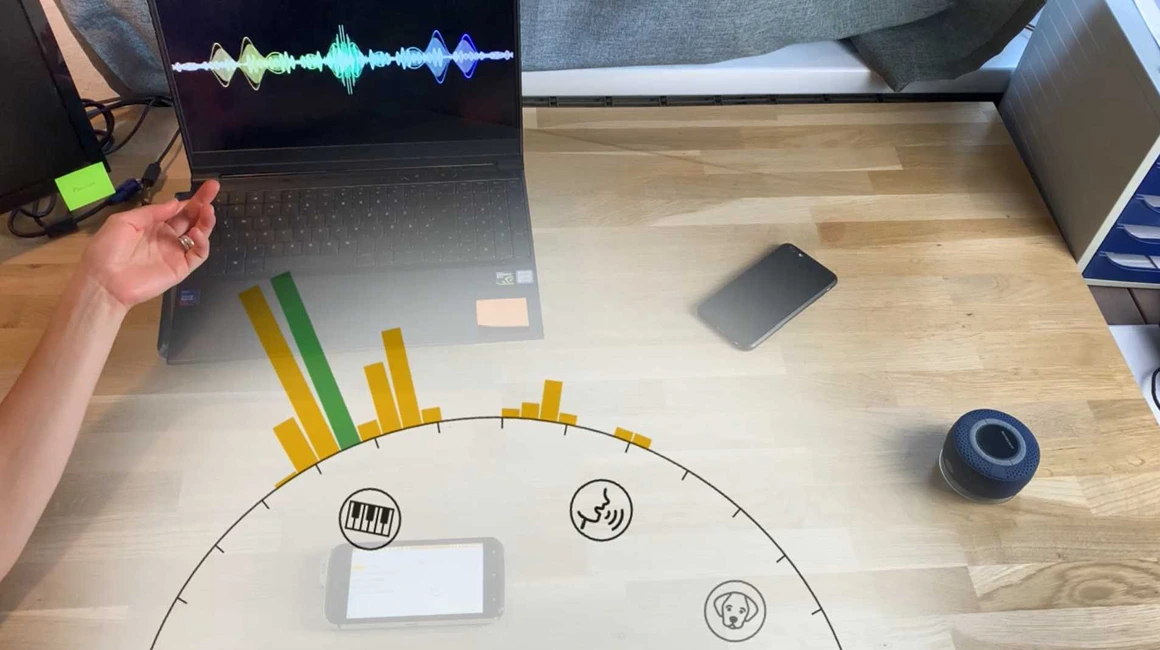
Provided Infrastructure: Embedded Devices, Mobile Devices, AR/VR, Robotics, Smart House Devices, Training Resources etc.
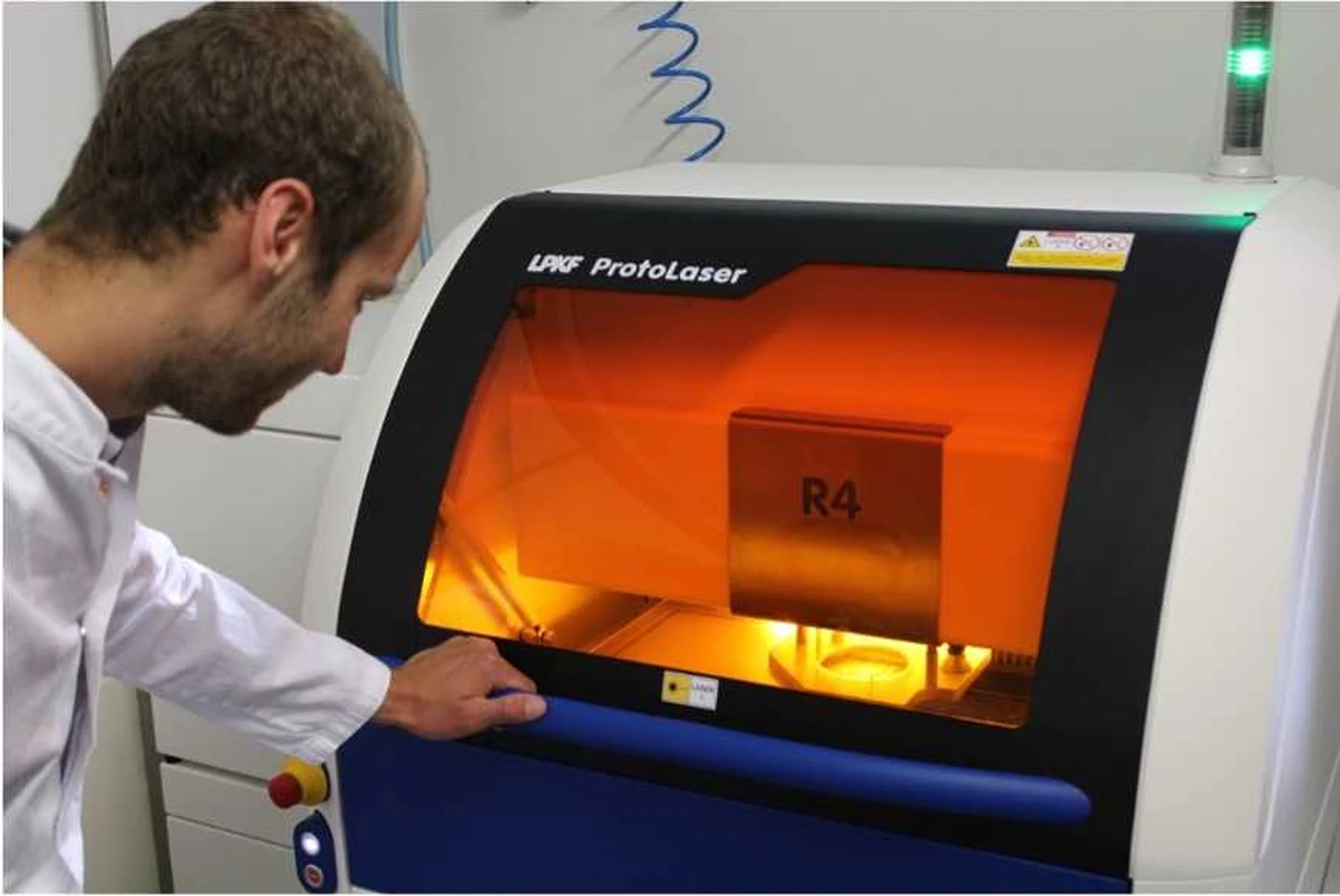
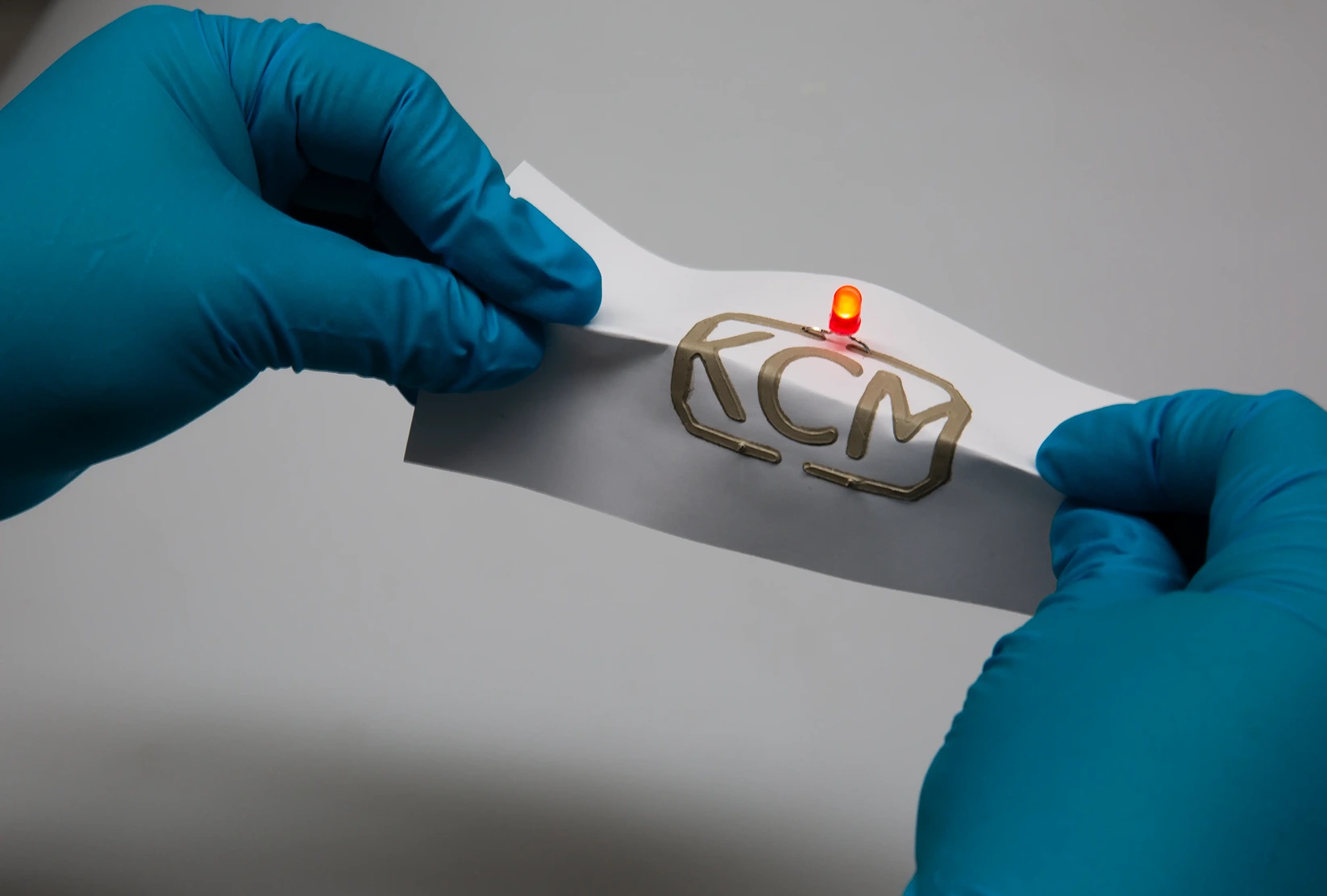
Our lab develops innovative conductive pastes for printed electronics. We focus on creating high-performance materials with excellent conductivity while significantly reducing the use of costly precious metals like silver. Our work bridges fundamental research and industrial application to enable more efficient and scalable manufacturing.


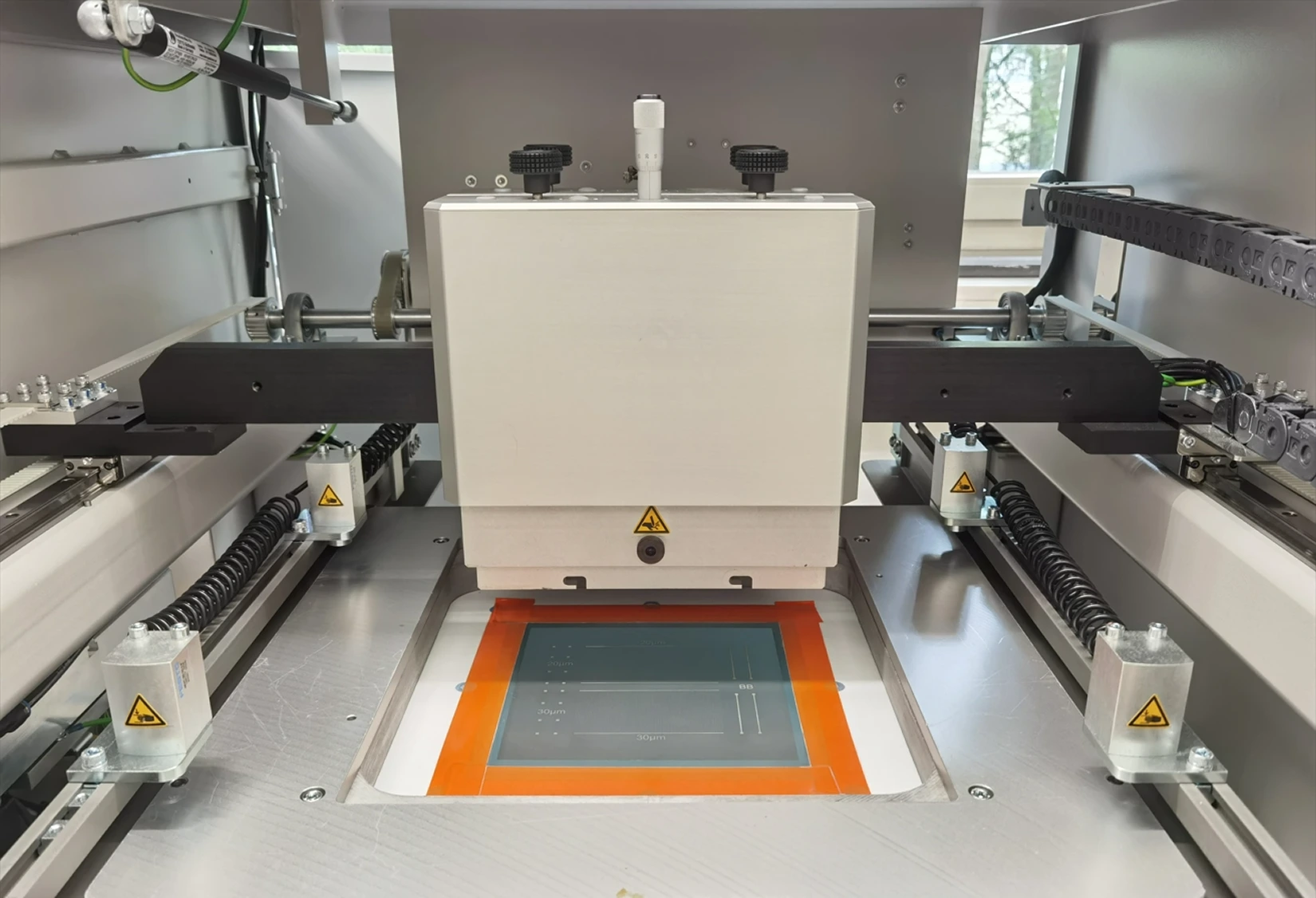
Lab expertise: Our core expertise lies in the formulation of conductive pastes and their rheological characterization to ensure robust processability across various printing techniques, including screen printing, dispensing, and 3D printing. This is complemented by analysis of printed features using SEM imaging, as well as mechanical and electrical characterization to assess functional performance.
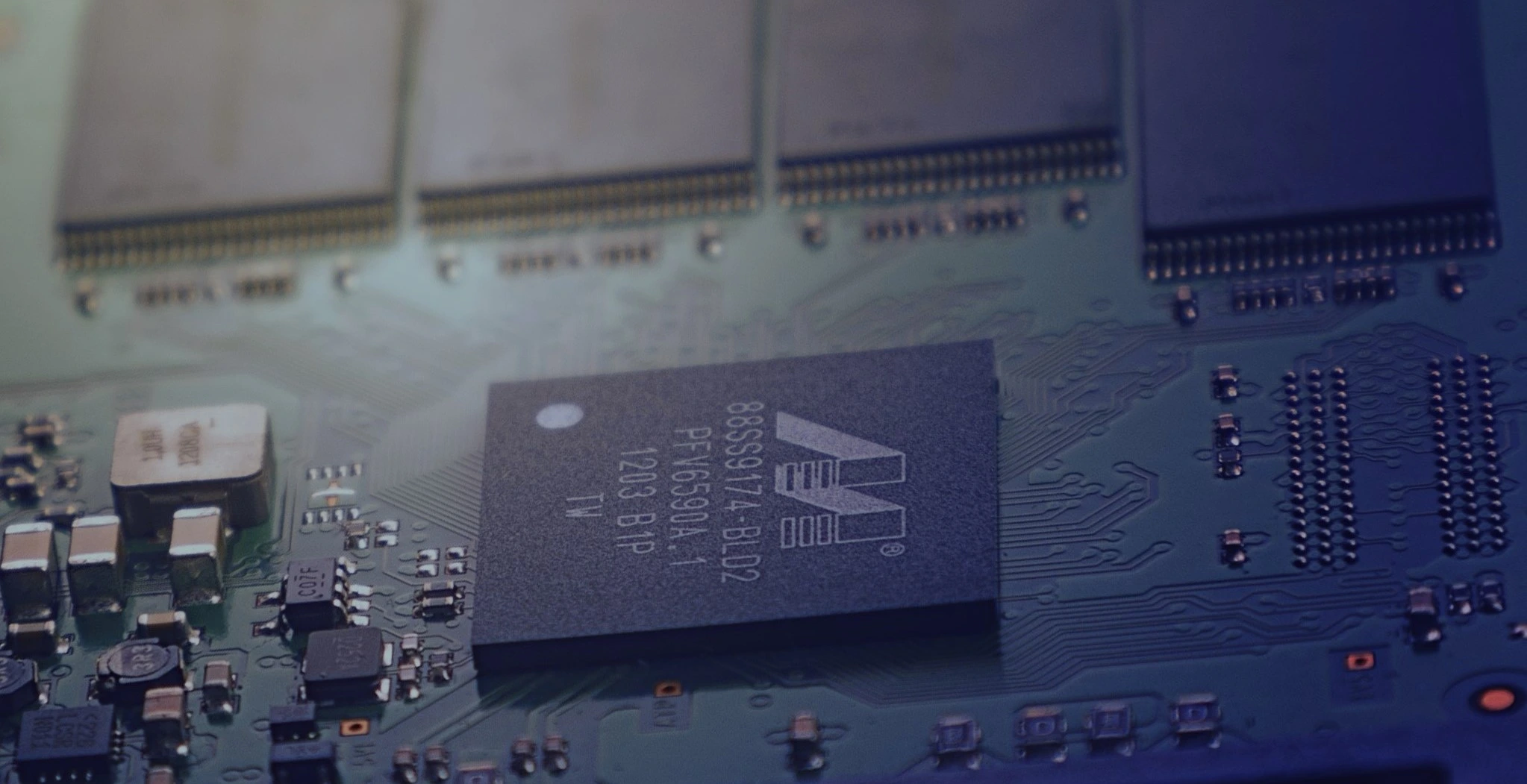
provided infrastructure: Equipment for conductive paste formulation, processing, printing, and characterization, including mixers, three-roll mill, rheometers, particle and surface analysis tools, screen printing, dispensing and 3D printing systems, plus SEM, tensile testing, and electrical conductivity measurement setups.
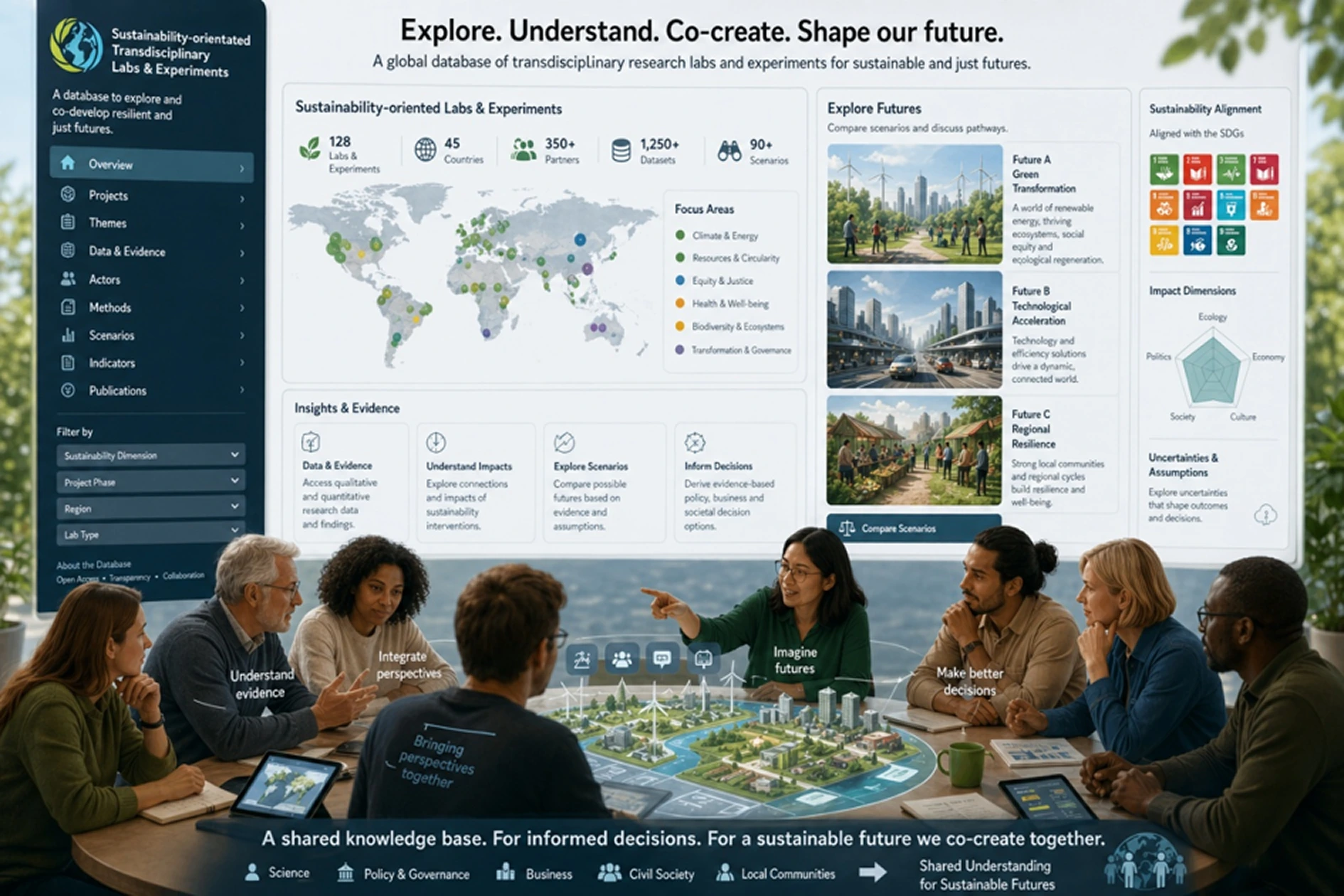
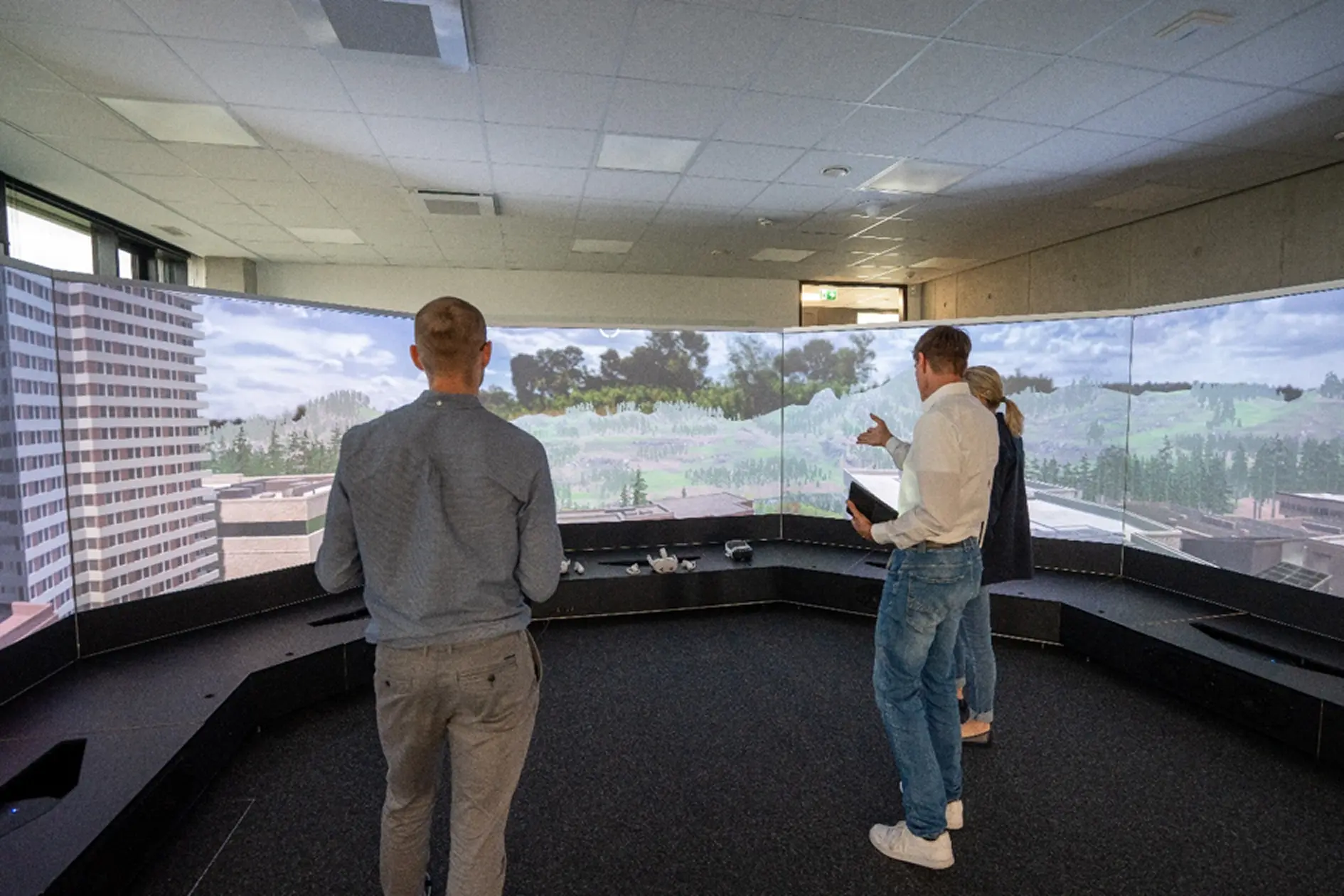
What does the future look like? How can we design a future-proof city of Karlsruhe? In the Sustainability VR Lab (SVL) we bring questions of designing a livable future together with VR and visualization technologies to make such futures experienceable. Not tomorrow, but today, not only for researchers, but for everyone.


Lab expertise: Expertise in transdisciplinary sustainability research, technology assessment, stakeholder dialogue, participation, and co-design. Student teams benefit from ITAS experience in exploring future scenarios around urban resilience, future mobility, heat mitigation, and blue-green-red infrastructure, using both real-world and virtual experimentation.
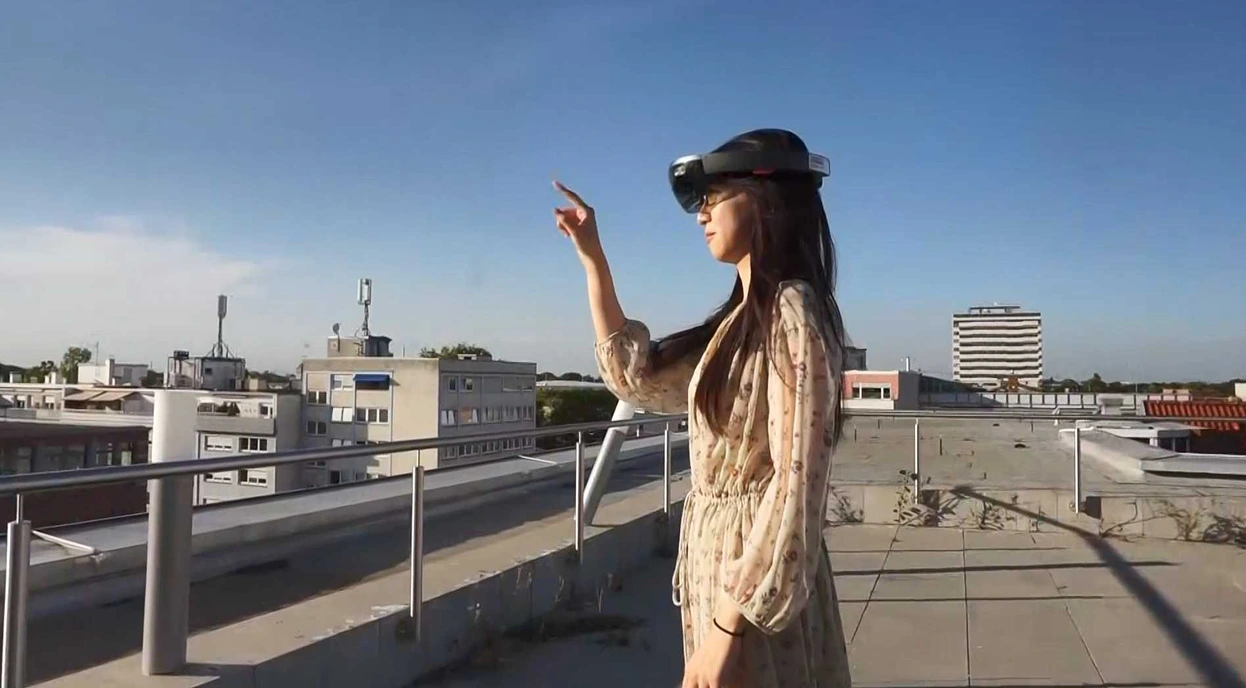
Provided Infrastructure: 4×4 m immersive environment, multi-screen visualization setup, VR/MR headsets including Meta Quest 3, Pico 4 Ultra, and Apple Vision Pro, plus tools for data-driven simulations, dashboards, and interactive future-scenario exploration.
sil is a 9-months intensive program, designed to strengthen entrepreneurial competences
freedom to choose your own idea and take responsiblity for shaping it from concept to prototype.
work in a team, make decisions together, and learn how to handle the challenges of building something new.
get access to KIT nova’s co-working space and your lab’s technical infrastructure, including makerspaces and specialized equipment.
build, test, and improve your idea through hands-on prototyping, user feedback, and expert input.
receive guidance from Entechnon entrepreneurship coaches and technical mentors throughout your project.
sil is all about developing entrepreneurial, technical, and interpersonal skills while working on a real innovation challenge.
the course starts every winter term and runs over two semesters, combining weekly entrepreneurship seminars, lectures, and lab work in the first semester with business modeling, prototyping, and a final pitch in the second.
start: winter term
duration: 2 semesters
ECTS: 15 (18 for economics)
who can apply: master students of electrical engineering, computer science, economics, mechatronics, industrial engineering etc. mechanical engineers must combine with IPEK course.
along the 9 months innovation journey students have multiple touch points with the industry partners and profit from their expertise.
act as a mentor and jury member
expose your brand to hand selected and highly engaged students
present your company at the final pitch event to the audience